In short
Explore how retailers benefit from PIM by enhancing product data quality, improving CX, and enabling omnichannel growth.
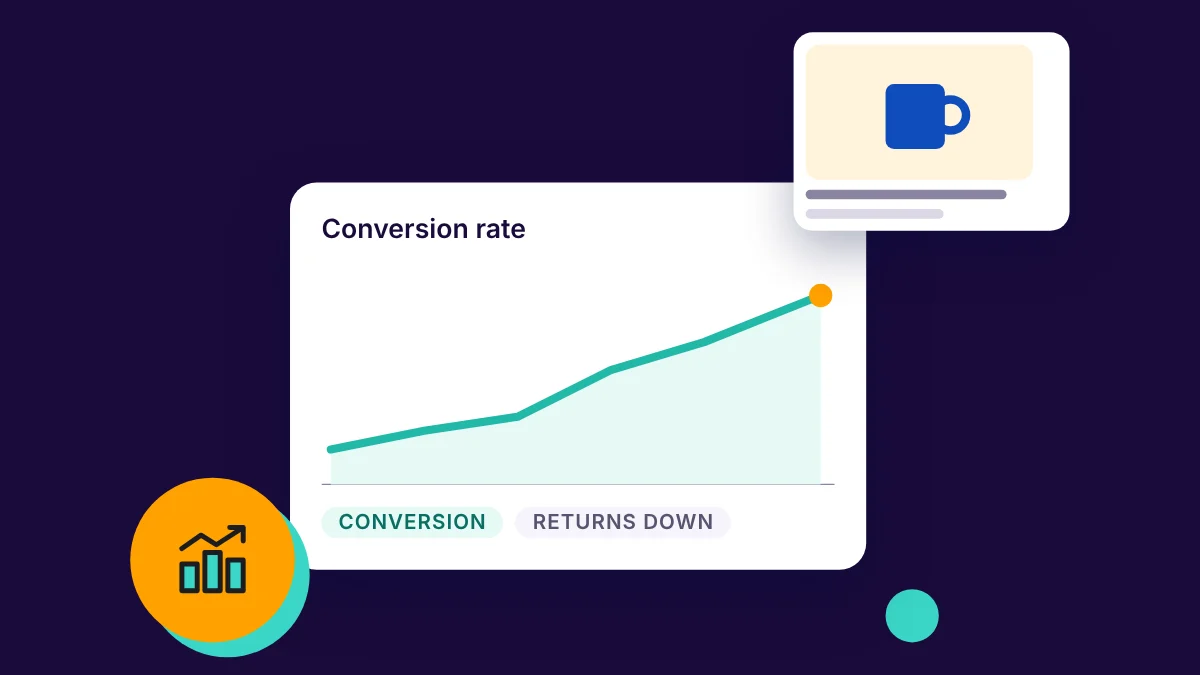
In terms of advances in technology, operators in digital commerce have never had so many opportunities. Vendors of product information management software have expanded the range of capabilities for offering excellent product experiences to raise conversion rates and expand the customer base. However, without the help of a dedicated product data management system like a PIM, reaching these heights is that much more difficult.
So, opportunities exist, but retailers operating without the benefit of such a product data tool face longstanding and widespread issues:
So, how does a PIM solution add value to a retailer’s operations and strategic planning? In this insight article, we look at five key ways of solving these problems
Modern retailers are working with a plethora of suppliers, brands, and manufacturers, which can make onboarding product data a challenging process. Historically, it has involved laborious manual data management using multiple Excel spreadsheets. In an age where speed, convenience and differentiation are key markers, the above processes are time consuming, repetitive, and prone to error. Internally, that means teams are constantly under pressure and spend too much time correcting (or finding!) product data.
Implementing a PIM solution frees up merchants to take control of their product information and its journey through the business. Using the power of a PIM’s automated processes, they can:
A PIM powers the creation of product information with the potential for rich descriptions, full attribution, and multiple digital assets. In a fast-moving environment, this enrichment needs to be executed rapidly as new products are introduced. Without PIM, smaller and less resourced teams cannot keep pace with these demands for time to market – as such, they often syndicate product information when it is not 100% buyer-ready. The consequences are two-fold:
The cutting-edge PIM solutions on the market are capable of fully controlling every stage of the product data journey, given that they can:
A retailer’s end game is to provide each sales channel with its relevant product assortment, channel-appropriate attributes, and brand messaging. As volume and availability of product data increases, it can create a degree of complexity which retailers cannot afford, given limitations on staffing and need to hit deadlines. It leads to user errors and long hours of overwhelming data processing and correction for eCommerce and marketing teams. In digitally powered retailing, speed is of the essence nowadays, so using outdated tools is inefficient and slow, apart from being risky in terms of information quality standards.
Controlling the retail product information journey using a PIM solution:
Your product content is working like a dream in your home market and language. Revenue is up, conversions are on the rise, and returns have dropped significantly. So far, so good. Where next? The business is ripe for growth, for expanding its reach to markets far and wide. A PIM will provide key support in preparing and delivering the same quality of CX overseas as it does at home. You need to localise the new context and probably translate your content. Trying to manage these processes in-house can be slow, and there’s the risk of compromising brand voice and accuracy of information.
With a PIM, businesses can streamline this work, managing content enrichment, localisation, and translation simultaneously, which reduces time to market and provides the competitive edge required to penetrate and make a mark in a new market.
Using a PIM system will allow you to:
What makes you stand out from other retailers? Delivering value throughout the customer journey, regardless of the sales channels and touchpoints they use.
Your endgame is to provide a 24/7/365 service in-store and online, consistent across every sales channel and touchpoint. The omnichannel brand is telling a compelling story, but a customer must be able to follow that narrative wherever, however, and whenever they want. If a customer searches for a product and arrives at your landing page on the web store, but then leaves, they have to be able to complete their customer journey regardless of how and when and where they next access your product offering.
A web store is just one of the channels you are selling on. Organic search engine enquiries account for the large majority, and a PIM will help you to organise your information in such a way that extracting and using keywords for SEO will make you easily findable and well-ranked. Then, the PIM is capable of syndicating product information across websites, marketplaces, social media…wherever you want and to a potentially infinite number of channels.
Underpinned by data enrichment tools and guaranteed data quality, your product information will be consistent, correct, up to date and compelling. And it needs to be – it’s a crowded marketplace out there, but there is certainly a place for those businesses who grasp the opportunities for differentiation which a PIM can support.
The four marketing ‘P’s model has been replaced by a more up-to-date model, the four ‘C’s. This fits better with the evolving digital landscape, and applies to how a PIM solution should be perfecting your retail digital shelf:
CUSTOMER:
They should be dead centre of the experience you offer – they expect a seamless omni-channel experience, they are savvy, and they hold the power of choice– the onus to deliver is squarely on the merchant.
COST:
Constantly changing dynamic pricing, price competition, discounts, special offers, bundling, cross-selling opportunities – you should always be capable and responsive to revenue opportunities
COMMUNICATION:
Should be complete, relevant, personalised and containing the rich, compelling, and persuasive content which drives conversions
CONVENIENCE:
Needs ease of experience: searchability, findability, and an intuitive approach to how you organise your product taxonomy. Customers want a sleek and silky buying process with an absolute minimum of patience required
Retail product data management is fast-moving and requires organisational agility and adaptability. Whatever the content – detailed descriptions, instruction videos, high-quality digital assets, technical specifications, 360° product visualisation, customer reviews, user testimonials, and so on – target customers must be able to make confident purchase decisions based purely on the information they can access.
Where are you on your journey to product data greatness? Whether you need help devising a winning strategy, selecting, or implementing the right platforms to meet your business goals, or need help managing your product information and systems on an ongoing basis—we’ve got you covered. Contact us to have a conversation about your specific circumstances and strategic goals.

Fill in your details and we will send it straight over.
Selection, implementation and support for product information management.

Talk to us about where you are and what a sensible next step looks like.
