In short
Learn how to connect your PIM with eCommerce platforms like Shopify, Magento & Adobe Commerce for seamless data flow.
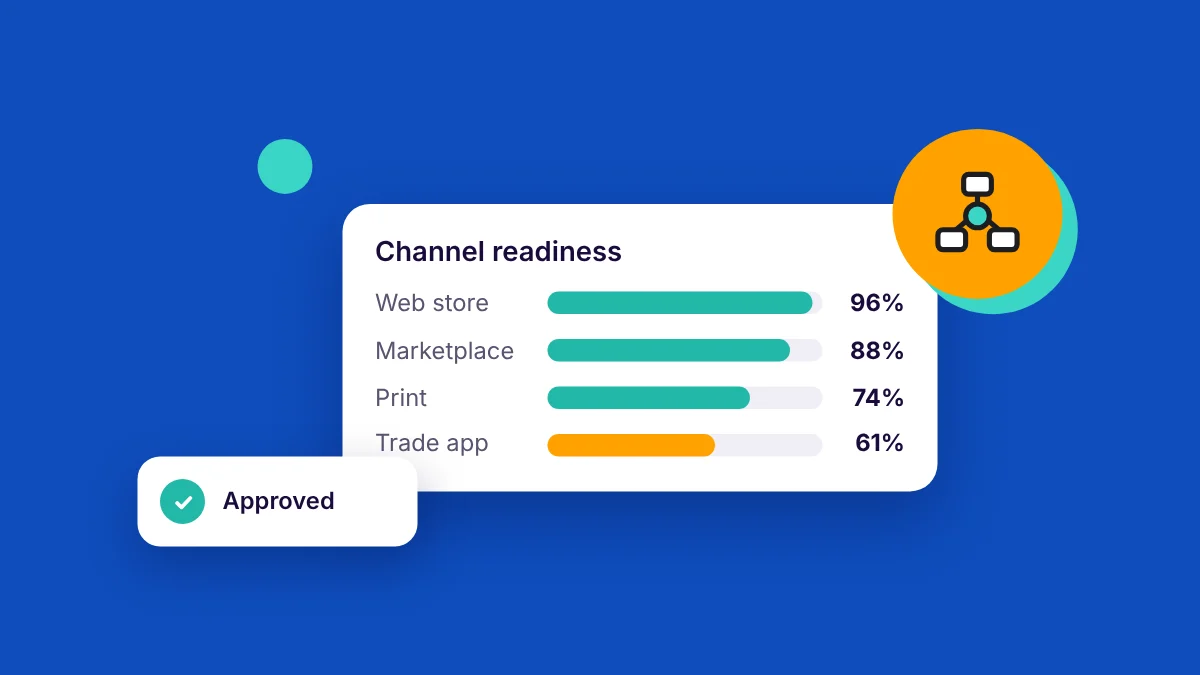
Integrating Product Information Management (PIM) software with existing tech stacks has historically been challenging due to the disparate nature of legacy systems. Enterprise Resource Planning (ERP) and Customer Relationship Management (CRM) systems often operate on different formats and protocols, leading to compatibility issues. These systems were typically built in silos, without consideration for interoperability, making seamless data exchange difficult. Additionally, older technologies lacked the flexible and standardised interfaces needed for integration, requiring extensive customization and manual processes to bridge the gaps. This often resulted in high costs, extended implementation times, and increased risk of data inconsistencies and errors.
However, the advent of middleware and Application Programming Interfaces (APIs) has significantly eased these integration woes. Middleware acts as a translator and intermediary layer, enabling different systems to communicate and share data regardless of their underlying architectures. APIs provide standardised, accessible endpoints for data exchange, simplifying the integration process. By leveraging APIs, modern PIM solutions can interact seamlessly with ERPs, CRMs, and other business systems, facilitating real-time data synchronisation and ensuring consistency across platforms. This not only reduces the technical burden but also enhances operational efficiency, enabling organisations to rapidly deploy PIM solutions and achieve better data management, improved product experiences, and more streamlined workflows.
This article will explore the importance of PIM connectivity, the challenges of integration, the benefits of seamless integration, best practices for integration, and a real-world use case.
A PIM gathers and consolidates all product information from each distribution channel into one location. This centralisation ensures that product details, such as descriptions, images, pricing, and specifications, are consistent, accurate, and accessible across all platforms. This “single source of truth” is vital for maintaining brand integrity and customer trust.
Integrating PIM with your eCommerce platform automates data entry and updates, significantly reducing manual tasks. This frees up valuable time and resources, allowing your team to focus on strategic activities. The automation also ensures that product information is always up-to-date, minimising errors and discrepancies.
PIM systems support the creation of rich and detailed product listings, complete with images, videos, specifications, and SEO-optimised content. These comprehensive listings improve product discoverability and customer engagement, ultimately leading to higher conversion rates.
Data mapping and complexity
One of the primary challenges in PIM integration is mapping complex product data across various eCommerce platforms. Each platform may have different data requirements, making it necessary to standardise and harmonise your product information before integration.
Compatibility issues
Not all eCommerce platforms are equally compatible with PIM systems. Ensuring that your chosen platforms support reliable plugins, APIs, or middleware solutions is crucial for smooth integration and data synchronisation.
Performance and scalability
As your business grows, so will your product range and customer base. Your PIM and eCommerce platforms must be scalable to handle increased demands without compromising performance. Real-time data synchronisation and robust security measures are also essential to maintain system integrity and protect sensitive information.
Improved data quality
By centralising and standardising product data, PIM systems enhance the quality and accuracy of product information. This improvement reduces errors and inconsistencies, leading to better customer experiences and fewer product returns.
Faster time-to-market
Streamlined data management processes enabled by PIM integration allow businesses to add and update products more quickly. This agility results in a faster time-to-market, giving you a competitive edge in the eCommerce landscape.
Better Customer Experience (CX)
Consistent and accurate product information across all sales channels enhances the customer experience. Customers can make informed purchasing decisions, which increases satisfaction and loyalty. Enhanced product content, including detailed descriptions and high-quality images, further enriches the shopping experience.
Integrating your PIM with eCommerce platforms is a strategic move that can streamline your operations, enhance your online presence, and improve customer satisfaction. By ensuring seamless data synchronization and leveraging the capabilities of a robust PIM system, you can achieve greater efficiency and drive business success.

Fill in your details and we will send it straight over.
Connecting PIM with ERP, ecommerce and marketplaces so product data flows without manual rework.

Talk to us about connecting your PIM to the rest of your stack.
