In short
Learn what integrated PIM is, how it works, and why businesses use it to centralise, enrich & syndicate product data.
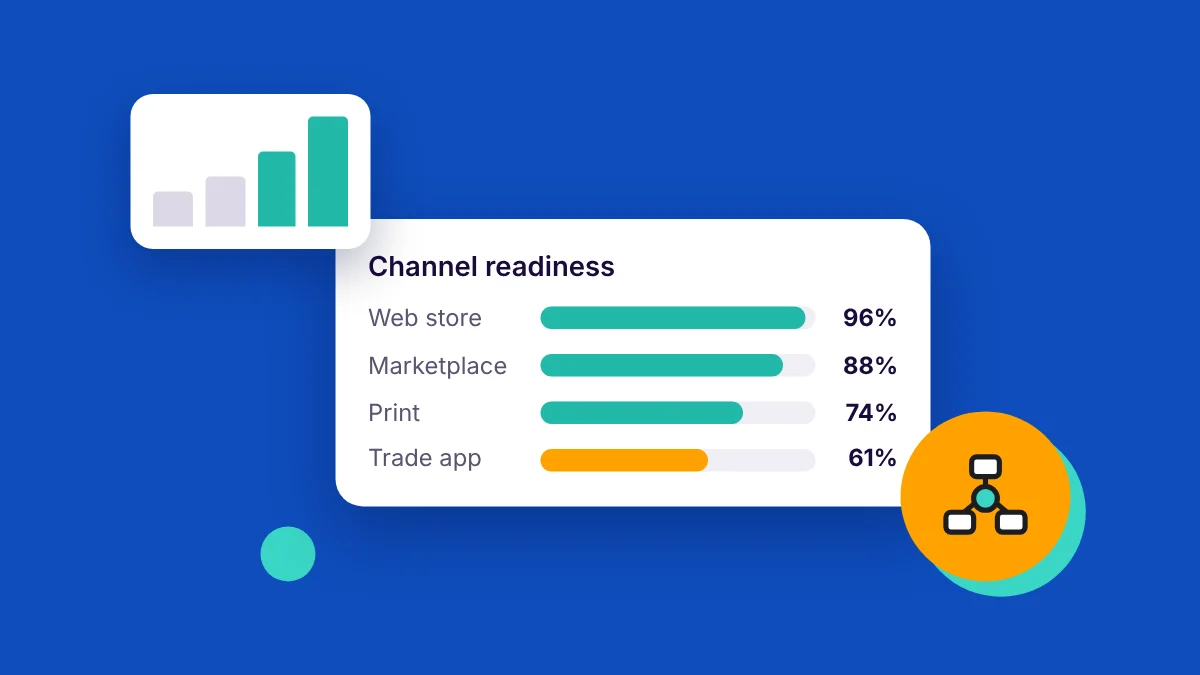
Integrated Product Information Management refers to an interconnected PIM software suite for managing product data which can communicate and act seamlessly with all other elements of a company’s business software systems. As a centralised hub, PIM stores and uses complete, accurate, up-to-date product information on every product for sale. and modern PIM solutions offer highly automated, web-based operating features. When integrated it provides clean, accurate and single-version data to support systems like customer relationship management, order entry, inventory control, shipping, returns management and marketing activities like SEO. That makes it a key driver of any digital transformation initiative.
This insight article looks at:
Taking an ERP as an example, the difference between an ERP system and a PIM is that the latter focuses specifically on the management of product information (onboarding, normalising, enriching for channels and distributing channel-ready product information), whereas an ERP manages all transactional data which drives business processes and workflows. It does not specialise in product data.
Organisations using legacy PIM systems tend to rely on point-to-point integration, where applications and systems connect with each other through a one-to-one relationship. If they want to connect other systems, they need developers to build custom code between each system, such as inventory, CRM et al.
This is just about adequate for smaller organisations working with a limited number of systems but nowadays, technological innovation allows organisations to add many specialised applications and systems. The old-fashioned approach generates “spaghetti code” – a mish-mash of solutions stitched together, creating a system which is unnecessarily complex and time-consuming to maintain.
Point-to-point integration is rapidly being replaced by modern PIM capabilities, where API*-driven connections make for easier and more agile PIM integration with other systems: Data connects to multiple applications through reusable APIs which can ‘unlock’ data from systems, compose it into processes, or deliver an experience.
This state-of-the-art approach powers seamless connections with the entire tech stack – from inventory to order history systems – to provide a source of high-quality product data for multiple uses.
So, integration makes it easy to add a product in the back office and have the ecommerce platform automatically generate a product page which is Search Engine Optimised for the business website. Furthermore, syndication capabilities mean this is the case for multiple channel exports.
Performance enhancement in several ways, the most common benefits being:
A couple of use cases exemplify these benefits:
Updating inventory information and having a customer-facing inventory web service automatically retrieve the new information to display to buyers
Adding cross-sell or up-sell options and automatically communicating these to all channels
No single tool can accomplish everything a business needs. Companies leverage numerous apps in their technology stack, but if and when you audit an existing stack, ask yourself what gains you would get from fully integrating a PIM solution.
When you check a PIM vendor’s website, there’s a wide range of PIM-friendly applications, including consultancy, business, and software partners with whom they work to implement and manage PIM services. Start with Data is proud to be accredited consultancy partner for several of the top-performing PIM vendors across many verticals and business types.
Get in touch with us whether you have an existing PIM solution or you’re looking to streamline your product information management once and for all by integrating it with the latest technology. That way, you future-proof your operations.

Fill in your details and we will send it straight over.
Connecting PIM with ERP, ecommerce and marketplaces so product data flows without manual rework.

Talk to us about connecting your PIM to the rest of your stack.
