In short
Discover what PIM is and why it matters. Learn how product information management helps centralise & enrich data.
The ability to manage product information efficiently has become a central competitive factor for B2B and B2C businesses across various sectors. Product Information Management (PIM) has emerged as an indispensable tool, offering efficiency and quality when handling complex product data and digital assets like high-quality images, videos, audio and accompanying documentation. Our comprehensive guide takes an in-depth look at:
The concept of PIM took root in the early 1990s, evolving from the traditional use of printed catalogues to sophisticated digital systems in response to the burgeoning eCommerce sector. The need for a centralised data management system became evident as businesses transitioned from ERP systems to specialised PIM solutions, better suited for the complexities of modern digital commerce.
PIM systems differ from ERP (Enterprise Resource Planning) systems, which handle internal business processes. PIM focuses on external product communication, managing a wide array of data, from basic descriptions to intricate specifications, and digital assets. PIM enriches, standardises, and syndicates product information across numerous sales and marketing channels.
PIM involves managing the information required to market and sell products through an organisation’s distribution channels. It encompasses a range of data from basic product details to intricate technical specifications, and digital assets.
Centralising and managing product information, PIM systems make data accessible and consistent across all customer touchpoints. They support data governance, ensuring the reliability and timeliness of information, which is pivotal in multi-channel marketing and omnichannel selling.
By automating data collection and updates, PIM systems significantly reduce manual labour, minimise errors, and accelerate the time-to-market for products. This leads to increased productivity and efficiency in managing product information.
Accurate and comprehensive product information, facilitated by PIM, leads to informed buying decisions, reducing customer confusion and dissatisfaction. It enhances the overall customer experience, leading to increased loyalty and reduced return rates.
PIM systems enable businesses to scale operations efficiently by managing an increasing volume of product data and supporting expansion into new markets or channels.
PIM systems cater to the specific needs of different sectors. Retailers benefit from synchronised product information across channels, manufacturers streamline their data governance, and distributors efficiently manage diverse product catalogues.
In eCommerce, PIM plays a crucial role in managing product data across multiple online platforms. It optimises SEO and supports omnichannel strategies by ensuring consistent and accurate product representation.
Factors like the size of the product catalogue, diversity of sales channels, and complexity of product information are critical when choosing a PIM system.
A thorough analysis of various PIM software, such as Sales Layer, Akeneo, Plytix is essential to find the best fit for specific business requirements.
Successful PIM implementation involves integrating the PIM system with existing business applications like ERPs, CRMs, and other data sources to ensure seamless data flow and consistency.
Migrating data to a PIM system should be conducted with a focus on maintaining data quality. This involves cleansing data, removing duplicates, and ensuring data accuracy and completeness.
Effective user training is essential for maximising the benefits of a PIM system. Staff should be trained on how to use the system for efficient data management.
Modern PIM systems offer high levels of customization and flexibility, accommodating specific business needs and integrating with various legacy systems through APIs.
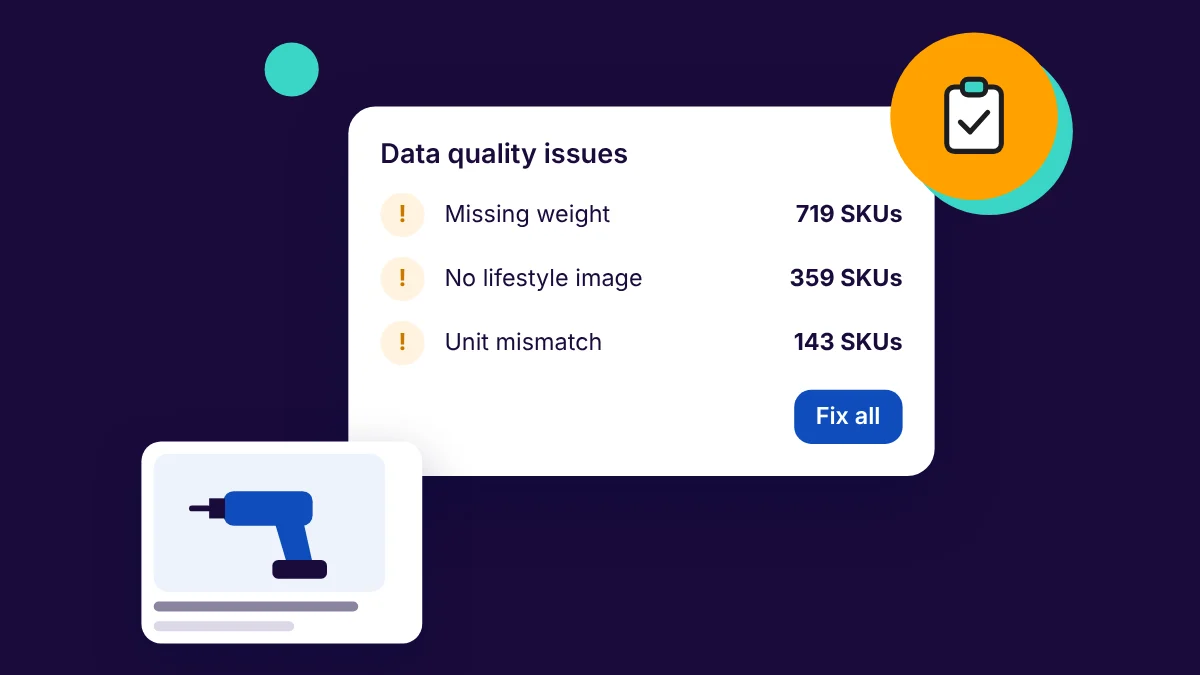
PIM systems come equipped with tools for data quality management, ensuring the accuracy and consistency of product information across all channels.
These systems enable businesses to syndicate product information across a variety of sales channels, including online marketplaces, social media, and traditional retail outlets. This capability ensures that product information is consistently updated and aligned across all platforms, a crucial factor in maintaining brand integrity and customer trust.
PIM systems are adept at managing complex product hierarchies, relationships, and variants, particularly crucial for businesses scaling up operations. They offer solutions to common challenges like data discrepancies, contradictions, and the need for frequent updates.
For businesses needing to maintain data consistency for regulatory purposes, PIM systems provide a reliable framework. They ensure compliance by standardising product information according to industry norms and legal requirements.
PIM solutions are continually evolving, integrating emerging technologies such as artificial intelligence (AI) and machine learning. These advances enhance data management capabilities, improve the efficiency and accuracy of product information handling and will impact even more on the quality of the customer experience.
As digital commerce expands, the role of PIM in managing product information becomes increasingly important. It drives efficiency and supports business growth by ensuring that product data is accurate, consistent, and optimised for a multitude of sales channels.
PIM stands as an indispensable tool for agile digital commerce. It isn’t just data management; it is a strategic asset to boosts operational efficiency, drive customer satisfaction, and support scalable growth. As businesses move into global markets with complex requirements, the importance of PIM and its guarantee of accurate, consistent, and compelling product data is paramount. In a nutshell, PIM is about positioning a business to be more adaptive, responsive, and competitive in a cut-throat digital ecosystem.

Fill in your details and we will send it straight over.
Selection, implementation and support for product information management.

Talk to us about where you are and what a sensible next step looks like.