Choose, implement and run the right PIM
Get product data complete and ready to sell
Tell us what is slowing your product data down and we will point you to the right service.
Insights
Guides, explainers and practical advice on product information management, product data enrichment and supplier data onboarding.
Insight; Resources
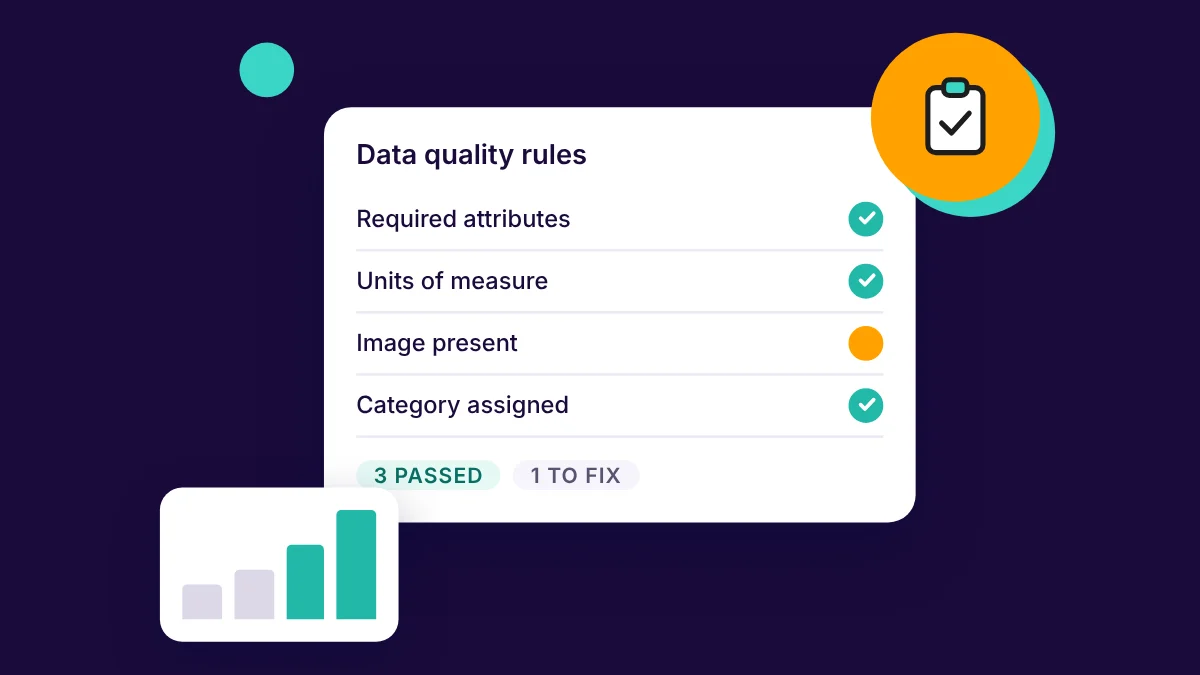
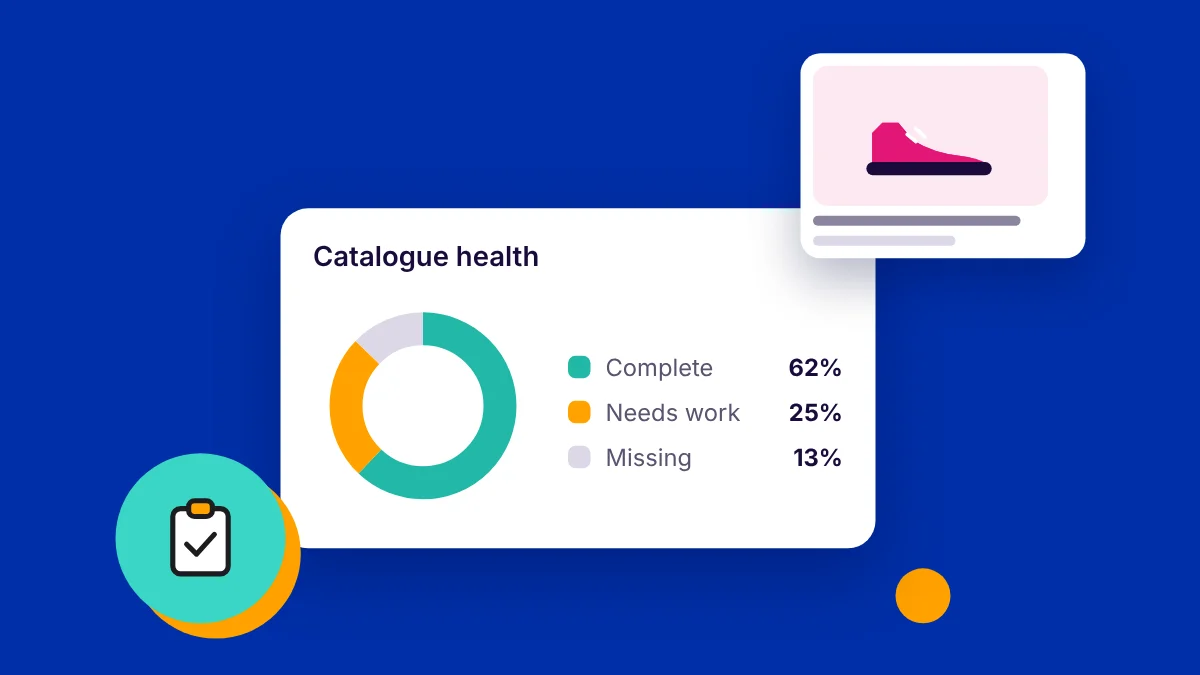
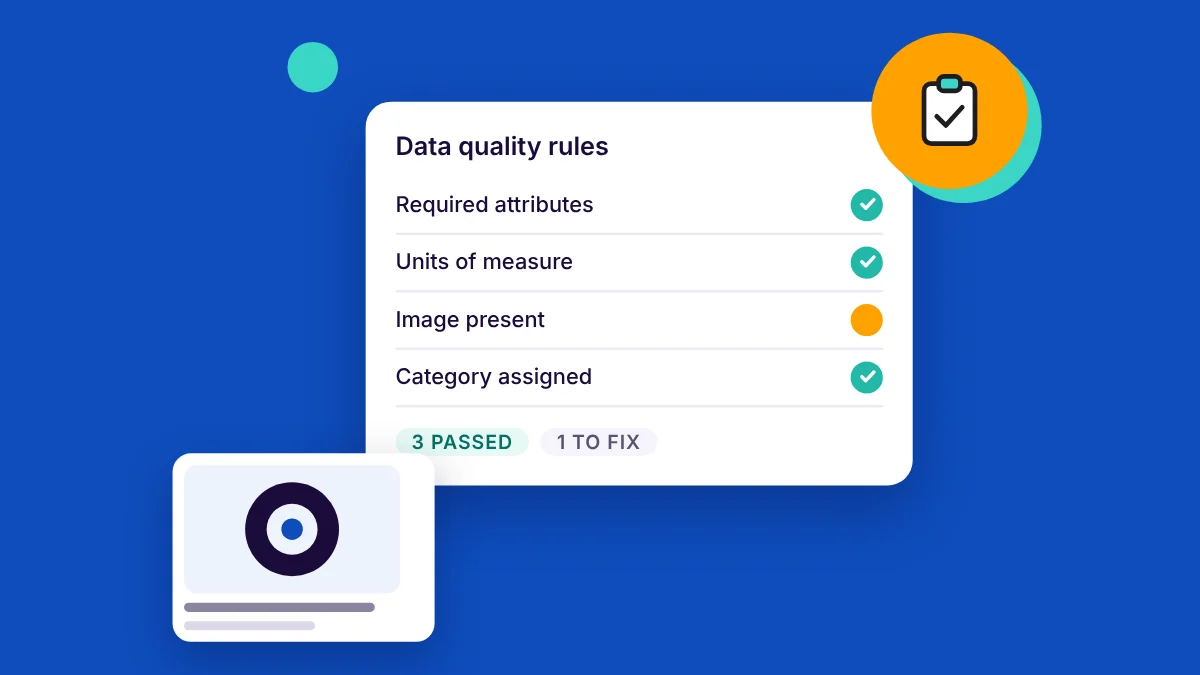
Most teams cannot answer a simple question: “Is our product data good?” They have spreadsheets full of attribute counts, screenshots of empty fields, and a vague sense that things could be tidier.
PIM cost rarely matches what the first vendor quote suggests. For a mid-market distributor running 50,000 to 100,000 SKUs, all-in first-year PIM pricing usually lands between £120,000 and £350,000.
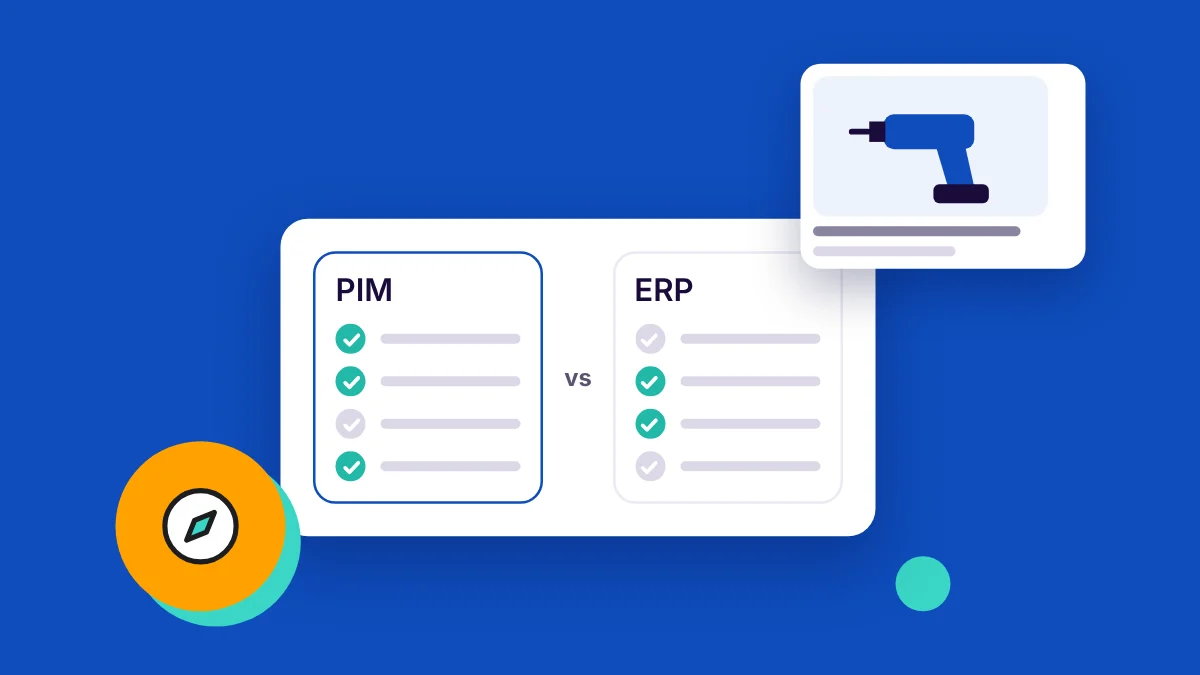
Buyers ask us some version of the same question every month: do I need a PIM, an MDM, or do I just need to push my ERP harder? PIM vs MDM vs ERP is a confusing comparison because the three systems overlap in real ways, and vendor marketing has muddied where the lines sit.
Most failed PIM projects can be traced back to a flawed selection. The vendor was picked before the requirements were clear, demos showed scripted scenarios rather than real catalogue conditions, and the scoring framework was assembled after the favoured vendor had already emerged.
A typical PIM vendor demo ends with a slide that says twelve weeks to go-live. The number is real for a specific kind of project: a small catalogue, one channel, no integrations, no governance, no change management.
Case Studies; Insight
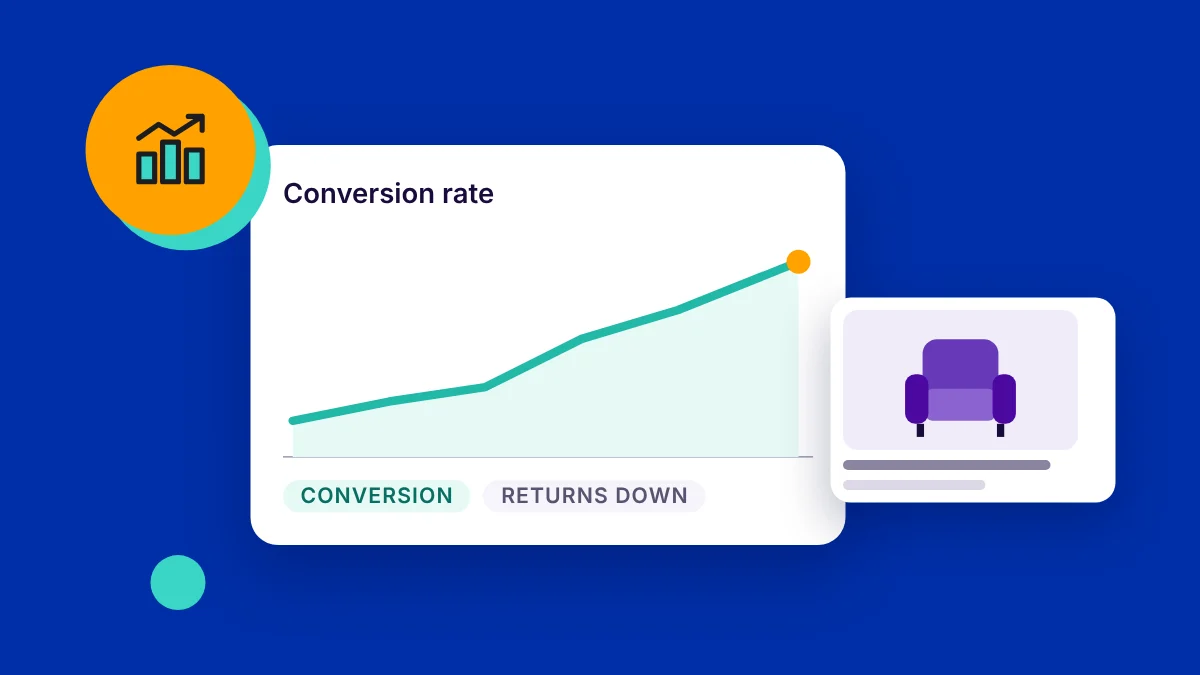
Dirty product data slows launches, weakens SEO, breaks filters, and increases returns. This eBook explains how to cleanse your catalogue step by step and build the controls needed to keep it clean.
A well-designed taxonomy will still fail if no one governs it. This article explains how to maintain category consistency over time through ownership, change control, documentation, and continuous monitoring.
PIM ROI can be measured across four key areas: internal efficiency gains, data quality improvements, revenue impact, and time-to-market acceleration. Businesses typically recover implementation costs within 12–24 months, with ongoing returns compounding as product data scales.
FAQs; Insight
AI can generate descriptions, extract attributes, and speed up enrichment. It cannot replace the governed structure, workflows, and single source of truth that PIM systems provide. This article explains why AI is making PIM more important, not less.
PIM implementations fail when teams treat them like software installs rather than operating model change. This 10-step checklist covers the critical stages, from objectives and data audit to migration, training, and post-launch governance.
AI is changing Product Information Management from a static system of record into an active engine for enrichment, validation, localisation, and automation. This eBook explains what is changing, where the value lies, and what foundations organisations need to benefit safely.
AI can generate product content faster than any team. It can also mislead, overclaim, and create regulatory risk if left unchecked. This article explains the main ethical issues and how to manage them properly.
Industrial buyers search by specification, compatibility, and standards, not broad category names. This article explains how to build a technical catalogue taxonomy that supports findability, filtering, and long-term scale.
Industrial component suppliers face complex data, strict compliance, and rising digital expectations. Discover why PIM is a game changer for managing technical specifications, reducing errors, accelerating time-to-market, and enabling scalable B2B and distributor-led growth
Product data problems rarely arrive alone. Missing fields, inconsistent values, duplicate records, weak taxonomy, and outdated information all damage performance. This article explains the five most common issues and how to fix them in a sustainable way.
Spreadsheets work for small catalogues and simple workflows. They do not scale to multi-channel product data, cross-team collaboration, or governed publishing. This article explains where Excel breaks down and why PIM becomes essential as complexity grows.
B2B distributors face a product data problem at industrial scale. This article explains how PIM helps manage thousands of SKUs, standardise supplier data, reduce errors, and support digital growth across multiple channels.
Starting with PIM can feel daunting, especially with fragmented product data and unclear ownership. These five best practices explain how to begin well, avoid common failures, and build a PIM foundation that supports scale, governance, and faster time-to-market.
Product data quality degrades unless it is actively maintained. This article explains why catalogues slip, how continuous improvement works, and what retailers, distributors, and manufacturers need to keep product data accurate over time.
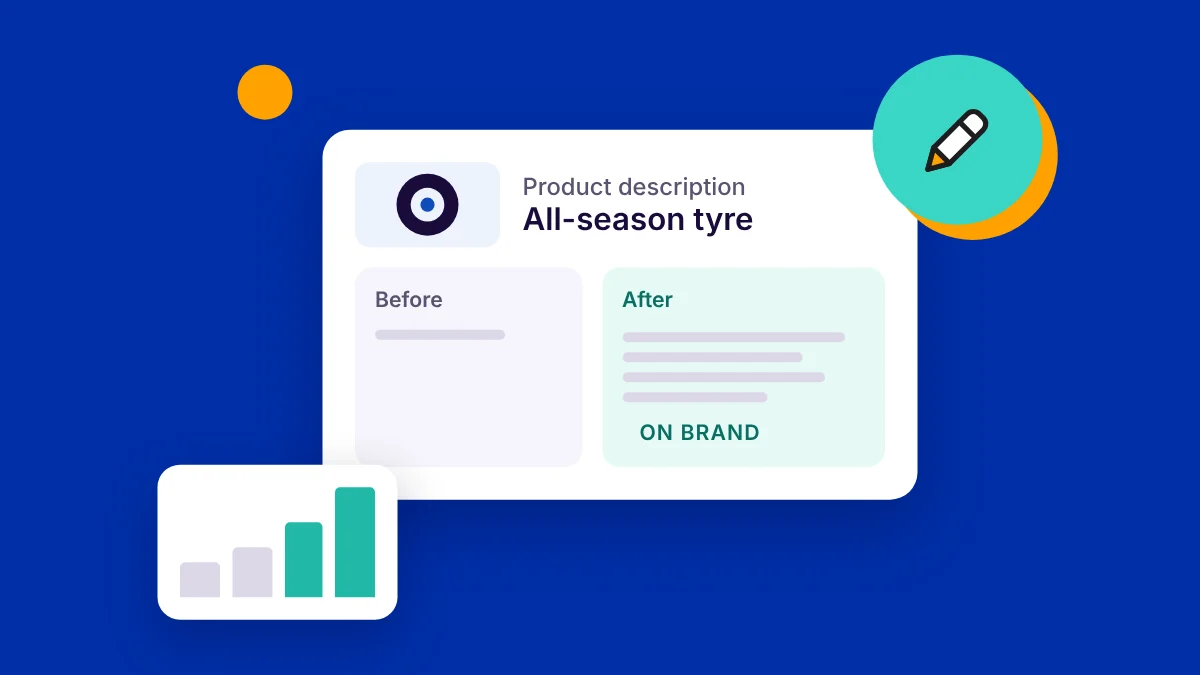
AI can write product descriptions faster than any team. It cannot judge claims, fix poor product data, or protect brand voice on its own. This article explains where AI adds value, where humans still matter, and why structured product data is the deciding factor.
ERP systems are critical for inventory, pricing, and operations — but they weren’t built to manage rich, customer-facing product data. This guide explains why ERP alone isn’t enough for modern commerce, how PIM fills the gap, and when businesses need both systems working together
B2B product descriptions aren’t marketing fluff. They’re decision-making tools. Learn how to write clear, credible, and conversion-focused B2B product content that supports complex buying journeys, multiple stakeholders, and technical evaluation, while staying searchable, consistent, and scalable through PIM-driven product data
AI is reshaping product data enrichment, from automated attribute extraction to large-scale content creation. But without strong governance and a PIM foundation, AI can just as easily amplify errors as eliminate manual work. Learn the real opportunities, the hidden pitfalls, and how to use AI responsibly to improve data quality, speed time-to-market, and protect your brand.
Customers can’t touch your products online, so your content has to do the heavy lifting. This guide explains how to enrich product data with images, videos, and documents using Product Information Management (PIM), how PIM and DAM work together, and what “good” looks like across channels in 2026.
Juggling and dropping messy product data, duplicated attributes, or sluggish PIM projects? This guide explains how to design a robust product data model which will support automation, AI, and omnichannel growth. Learn how to structure attributes, taxonomies, and relationships to build a scalable, future-proof product information schema
Managing product listings across Amazon, eBay, and multiple marketplaces quickly becomes unmanageable without the right structure. This guide explains how Product Information Management (PIM) enables scalable marketplace syndication, ensuring consistent, compliant product data, faster time-to-market, and stronger performance across every digital sales channel
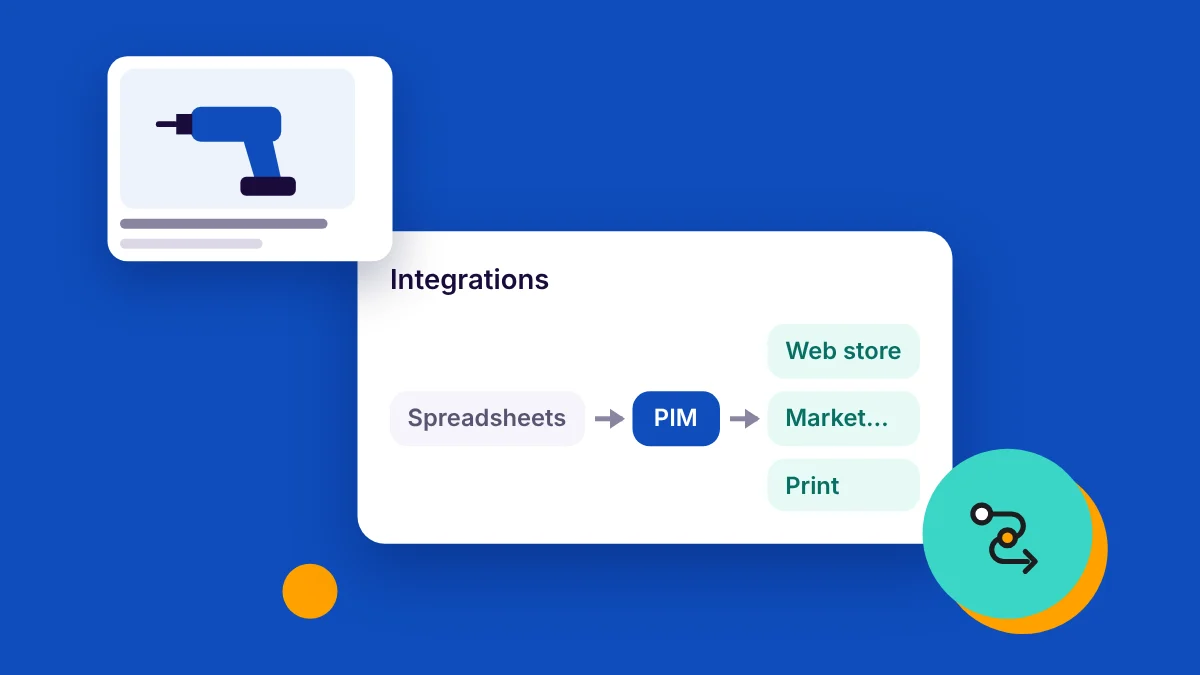
PIM integration is no longer just about connecting systems. Discover best practices for designing smooth, resilient product data flows across ERP, eCommerce, marketplaces, and partner platforms — and learn how orchestration, governance, and event-driven architecture turn integration into a strategic advantage
Poor data can derail even the best PIM. This guide explains how to audit, cleanse, govern, and protect product data during PIM implementation — with practical steps to improve accuracy, consistency, and time-to-value in 2026
Supplier spreadsheets keep arriving “wrong” because they were never created for your taxonomy, mandatory attributes, or channel rules. This article explains the structural mismatch, the failure patterns it creates, and the practical operating model that makes supplier product data usable at scale.
Mixed units and formats silently corrupt product data. Learn where inconsistencies enter, how they break search, channels, and operations, and the corrective sequence to stabilise, standardise, and enforce clean units, formats, and date handling.
If your PIM underdelivered, the platform may not be the problem. Most failures come from migrated mess, misfit taxonomy, fragile integrations and weak ownership. Learn the failure modes that create “live but bypassed” systems — and the signals that show whether you need a rescue, not a replacement.
Feature comparisons flatten the differences that decide PIM success. “Yes” doesn’t reveal usability, workflow fit or integration reality. Use scenario-led demos with real data and real users to test whether a platform reduces friction — or just relocates it into exceptions and spreadsheets.
PIM is live but nothing improved? That usually means you centralised messy data and launched without a way to run product data day to day. This piece shows the telltale symptoms, why “the software” isn’t the constraint, and what a PIM health check should examine.
Choosing a PIM solution is a strategic decision that affects data quality, speed-to-market, and team adoption. This step-by-step guide shows how to evaluate requirements, compare vendors, avoid common mistakes, and select a PIM that genuinely supports your business growth
Product data and digital assets only work when they work together. Discover how PIM–DAM integration connects structured product information with images, videos, and documents—reducing errors, accelerating launches, and powering consistent product experiences across every channel.
APIs are the backbone of modern PIM implementations. This guide explains how API-led integrations connect ERP, DAM, e-commerce platforms, and marketplaces in real time — reducing errors, accelerating product launches, and future-proofing your product data architecture
If your PIM is “live” but teams still ship product content via spreadsheets, it’s rarely a tech issue. It’s ownership. IT can keep pipelines running, but product data teams must own definitions, standards, workflows, and channel readiness—or adoption stays contested and value decays.
Most PIM ROI business cases collapse after go-live because they price features, not operational change. Real value comes from removing manual handoffs, reducing rework, accelerating time-to-market, and cutting preventable returns. Here’s where the return actually shows up.
Before you choose a PIM, test readiness. Five signs and three quick checks reveal whether your product model, channel requirements, governance, and migration plan are strong enough to deliver ROI — or whether selection will just lock in rework.
Teams keep “fixing” product data but mix up cleaning and enrichment. This guide shows what each one does, why enrichment fails on dirty data, and the operating model - definitions, validation rules, workflows and ownership—that makes improvements stick.
Many PIMs stall after go-live even when the software works. The cause is usually no operating model: unclear ownership, missing standards, ad hoc supplier onboarding, no change loop, fading training and weak metrics. Learn the signs of drift — and what to review to restore momentum.
Choose a PIM too early and you model chaos. Fix taxonomy, attribute standards, and supplier inputs first to avoid rework and stalled adoption.
Why do identical PIM projects deliver wildly different outcomes? Data readiness is the hidden driver of cost, adoption, and ROI. Learn what “ready” means, where unreadiness creates rework, and a simple 50-SKU test to assess your catalogue before you build.
If filters fail, feeds reject, and launches slip, your data may not be wrong — it may be unfinished. This article explains the difference between cleaning and completion, why partial population is so common, and how to define “done” with PIM data governance and structured enrichment.
If your team exports CSVs to “fix it in Excel”, you’re paying a compounding tax: repeated rework, higher error rates, inconsistent listings, and slower launches. Learn what’s really driving manual fixes and how to replace them with governed product data management and enforceable rules.
“Best in class” PIMs fail when reputation masks poor fit. Complexity taxes, unfunded enrichment work, and brittle integrations turn the PIM into a bypassed bottleneck—despite awards.
If products keep stalling in draft or “pre-live,” you don’t have a launch process problem. You have an attribute completeness problem. Learn how gaps cascade into search, filters, marketplace rejections, compliance blocks, and publishing delays—and how to stop it with enforceable rules.
Broken filters are usually blamed on platforms, but the root cause is structural product data: inconsistent values, missing attributes, weak taxonomy, and poor variant modelling. This article explains the failure patterns and why a structure audit is the fastest path to reliable faceted navigation.
PIM demos show clean data and easy publishing. The real effort happens outside the tool: data preparation, taxonomy decisions, integration architecture and change management. Learn the hidden workstreams to scope before you sign — and the demo questions that expose risk early.
PIM implementations rarely overspend because of the tool. They overspend when data complexity is discovered too late — forcing remediation, rework, and compounding delays. Learn the common “late discoveries” that break budgets and how a pre-quote stress test exposes them early.
A failing PIM rarely needs replacing. Most can be rescued by a forensic pause, a thin-slice diagnostic, simplified structure, clear ownership, and rebuilt trust in outputs. Learn the failure modes that keep teams bypassing PIM — and how a PIM Health Check identifies the real constraint.
Category creep, attribute overload, and universal schemas that don't fit — most product structure problems share the same root cause. This article explains how to separate navigation from selection, and build a backbone that actually scales.
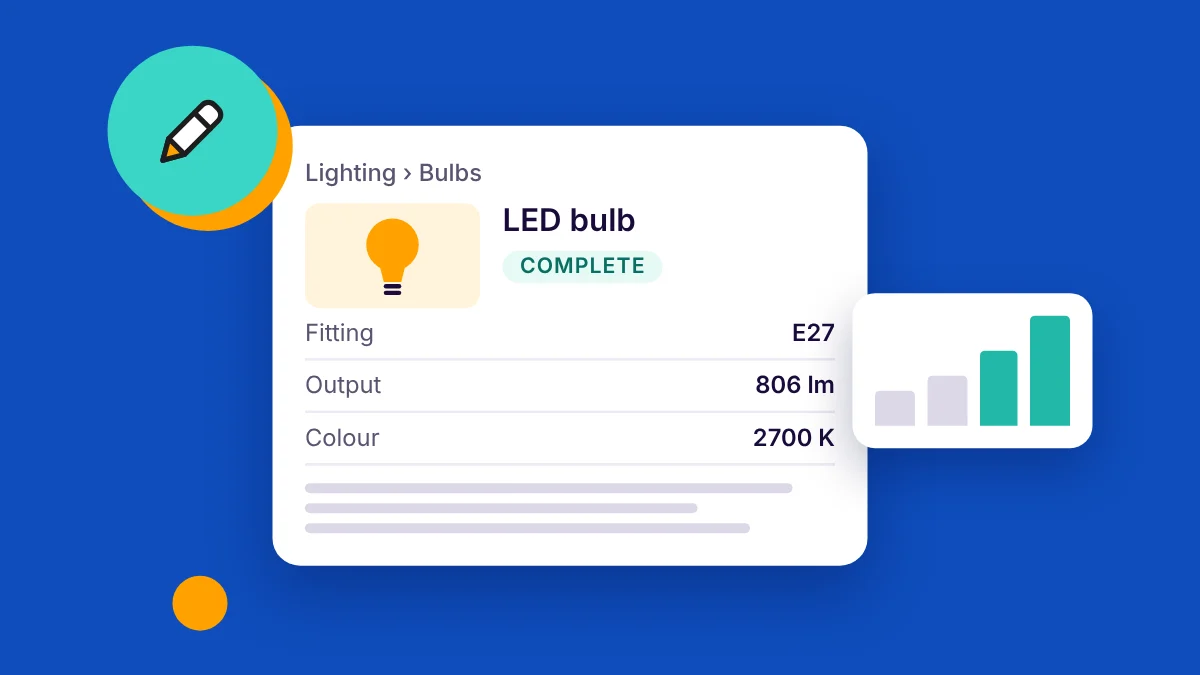
Lighting catalogues demand technical precision and rich visuals. A PIM centralises lumens, IP ratings, beam angles, certifications, and assets, then syndicates them across portals, websites, and spec sheets. The result: fewer errors, faster launches, stronger compliance and a better experience for trade and consumer buyers.
PIM demos aren’t lying. They’re staged. Clean sample data, linear workflows, and “working” connectors hide the work that dominates real operations: supplier chaos, exception handling, and cross-team contention. Here’s the structural mismatch demos avoid, and how to evaluate for reality.
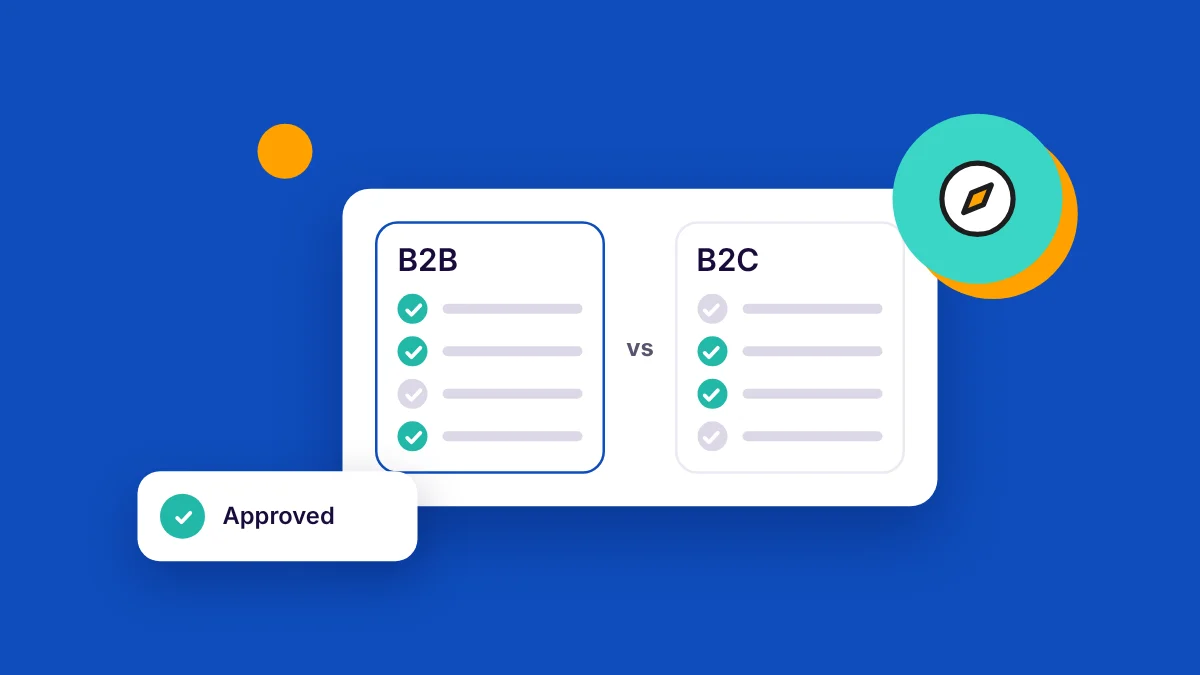
Selling to businesses and consumers isn’t just a channel choice — it’s a data strategy problem. This article explores how product data requirements differ between B2B wholesale and B2C retail, and why PIM is essential for serving both without compromise
Managing automotive aftermarket catalogues means handling fitment data, ACES and PIES standards, supplier feeds, and constant updates. In this article, we explore how Product Information Management (PIM) helps automotive parts distributors simplify complex catalogues, reduce returns caused by incorrect fitment, accelerate product launches, and deliver accurate product data across every sales channel
Voice search and AI assistants have changed how customers ask for products. Discover what “voice-ready” product data looks like, how PIM helps you structure and enrich it, and the practical steps to make your catalogue discoverable in a world where algorithms pick a single best answer.
Bad product data is costing you sales. From missing details and broken filters to inconsistent images and pricing, here’s how to spot the issues and fix them fast.
If product teams still double-check SKUs in spreadsheets, the issue is not the PIM. It’s missing ownership, weak validation, and no feedback loop. Learn the failure pattern and the corrective sequence: stabilise, standardise, enforce.
Clean-up sprints don’t stick. Product data quality regresses because standards aren’t enforced and ownership is unclear. Learn the operating model, validation rules, and monitoring that stop drift and keep PIM data reliable across suppliers and channels.
Tell us what you are working on and we will point you to the right answer.