Choose, implement and run the right PIM
Get product data complete and ready to sell
Tell us what is slowing your product data down and we will point you to the right service.
Insights
Guides, explainers and practical advice on product information management, product data enrichment and supplier data onboarding.
Case Studies; Insight
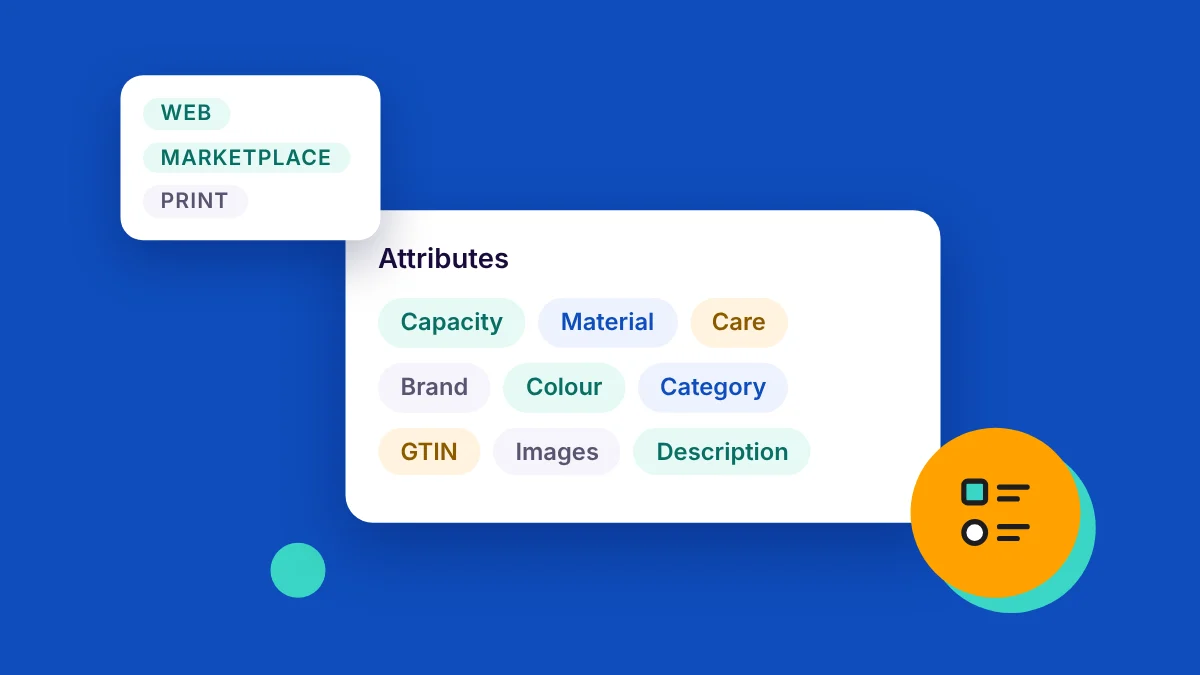
Too many attributes don’t create better product data. They create confusion, duplicate fields, broken filters, and slower launches. This article shows why attribute sprawl happens, how it damages usability and channel performance, and how to rationalise and enforce a lean attribute model.
FAQs; Insight
Good product data is usable, consistent and governed. Learn how to assess quality properly, where most catalogues fail, and what to fix first to reduce rework, feed errors and customer friction.
Choosing a PIM feels impossible when requirements are vague, internal priorities clash, and vendors shape the process. Here is why selection stalls and how to make it manageable by grounding decisions in operational reality.
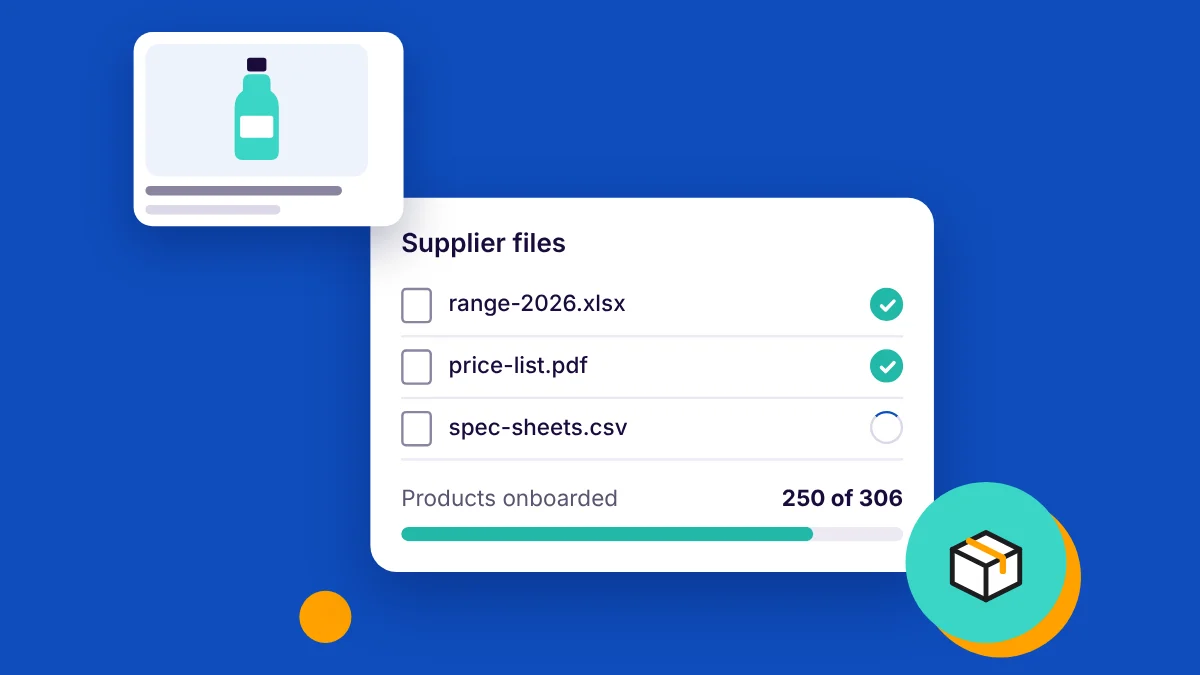
Supplier spreadsheets rarely match your PIM because they follow the supplier’s structure, not yours. Learn why the mismatch happens, what it costs, and how to reduce remapping, rework and launch delays.
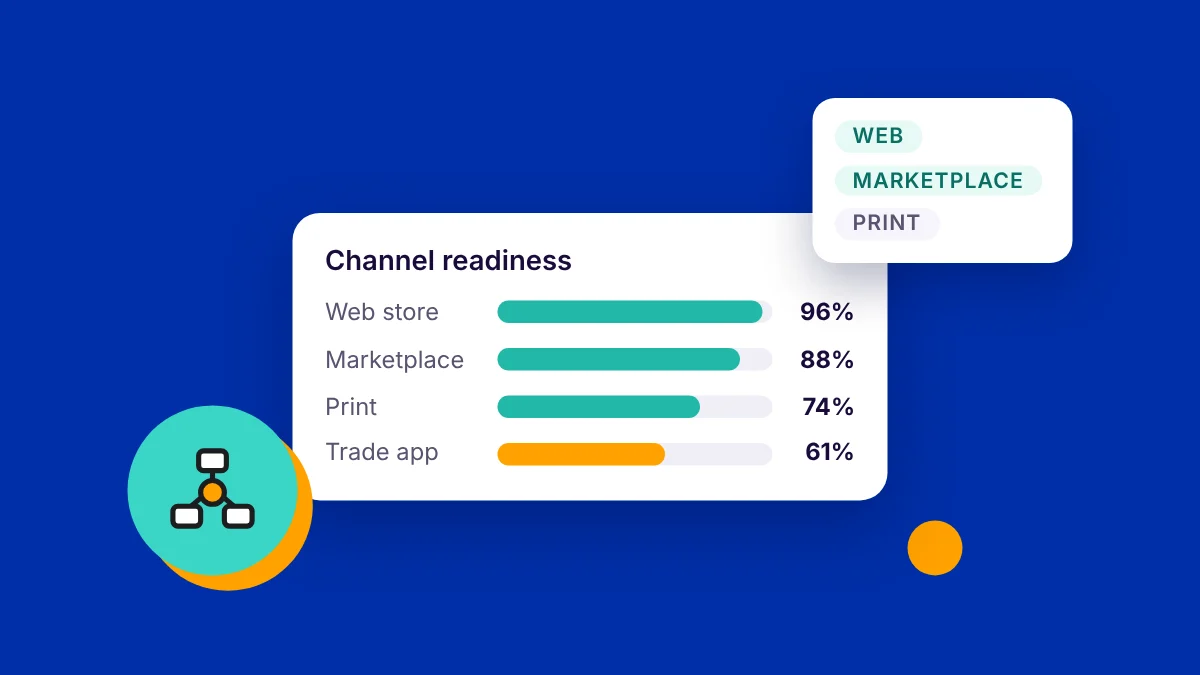
If your dashboard shows 100% completeness but Amazon suppresses listings or Google disapproves feeds, your data isn’t channel-compliant. The fix is channel-specific requirements, enforced validations, and a feedback loop between what you send and what publishes.
Product data clean-up overruns are usually caused by hidden complexity, weak governance, and manual exception handling. Here is how to diagnose the real cause and scope the work properly.
Product structure failures don’t show up on the P&L, but they create permanent operational drag. This article explains how weak taxonomy, attributes, and governance drive rework, slow growth, and lost revenue in eCommerce
As organisations scale, product data problems accelerate. Volume, complexity, and fragmentation expose weak structures that growth can no longer hide
If your PIM is live but data quality hasn’t improved, it’s not a software gap. Tools don’t create truth; they store and scale whatever you feed them. Persistent bad data signals missing ownership, undefined structure and standards, and upstream chaos, problems a tool can only expose.
If your catalogue works on-site but breaks on marketplaces and partner channels, the issue isn’t the PIM—it’s the structure. Learn the three failures (semantic, structural, governance) that create endless channel-specific rework, and what mismatch keeps the drag permanent.
Dirty product data leads to broken filters, slow launches, higher returns, and lost trust. This practical guide explains how to audit your catalogue, build a strong taxonomy, standardise attributes, remove duplicates, enrich content, and put governance in place.
Managing product categories in multiple languages requires more than translation. Learn how multilingual taxonomies support global consistency, local relevance, and scalable product data management across international markets
Are spreadsheets slowing you down? Discover seven practical questions to assess whether your product data has outgrown manual processes. Learn how a PIM system can improve data quality, speed up product launches, reduce returns, and support scalable omnichannel growth
Product data quality depends on people, not just platforms. This guide shows how to train teams on accuracy, completeness, consistency, and governance, with role-based learning paths that stick. Reduce errors, speed up product launches, improve search and filters, and protect your PIM as a true single source of truth
If your categories feel inconsistent, bloated, or full of “Other,” you’re seeing taxonomy drift. This article explains why category structures break as you scale, why it blocks PIM and AI, and how to shift to deliberate evolution: clear principles, governance, audits, and faceted navigation
Guides; Insight
Buying a PIM in 2026 is a strategic decision, not a software tick-box. Discover the 10 critical questions you should ask PIM vendors to uncover hidden risks, assess scalability, and ensure your platform supports governance, AI, and omnichannel growth from day one
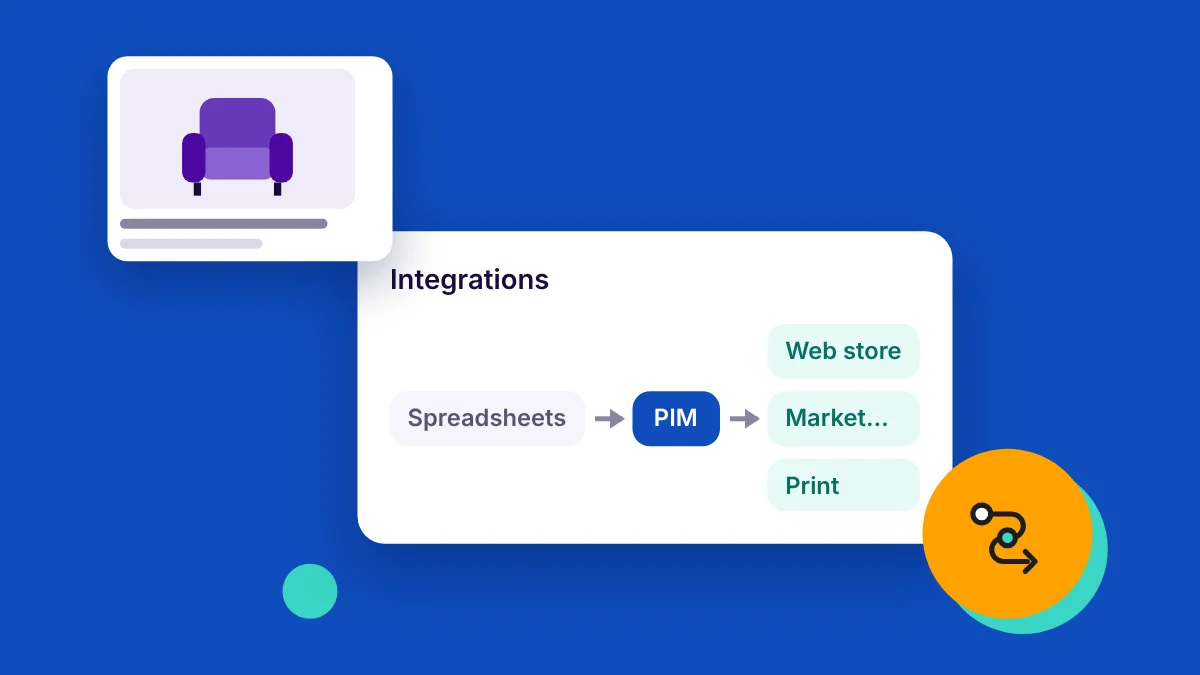
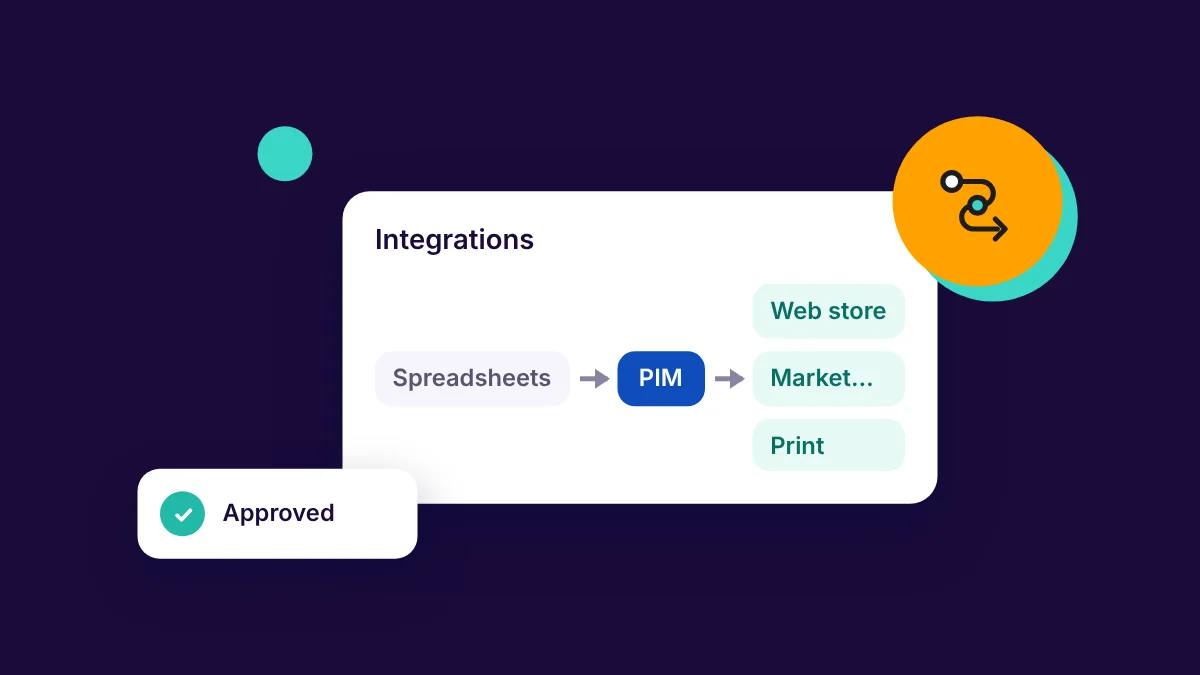
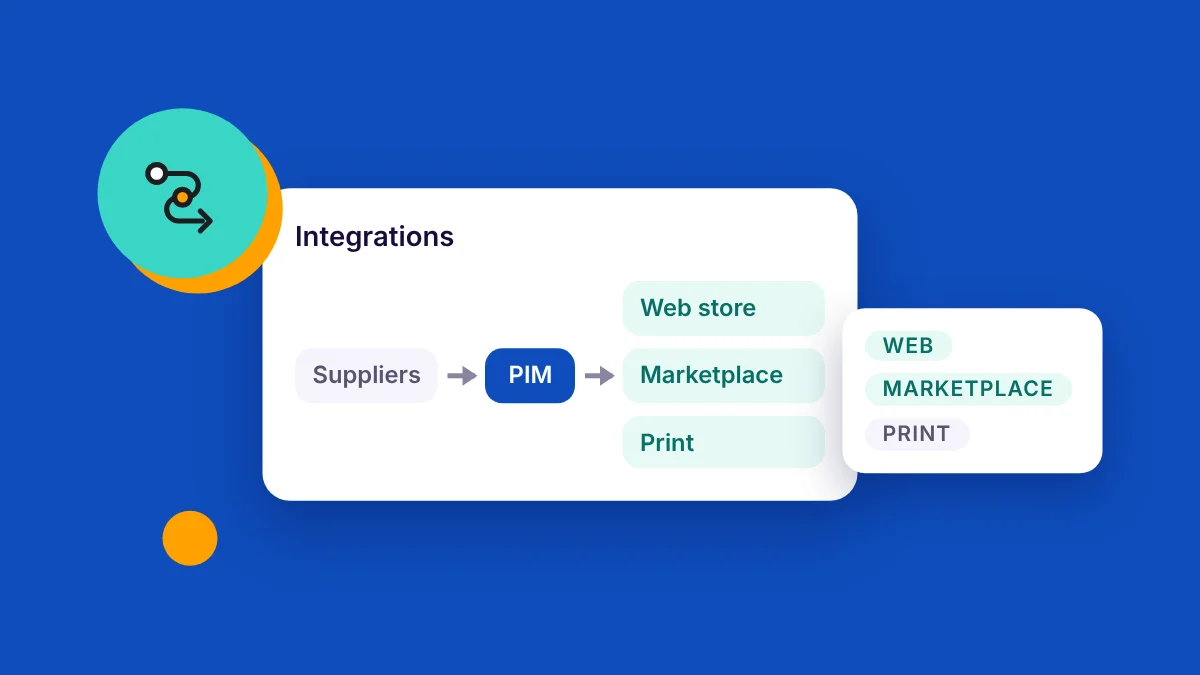
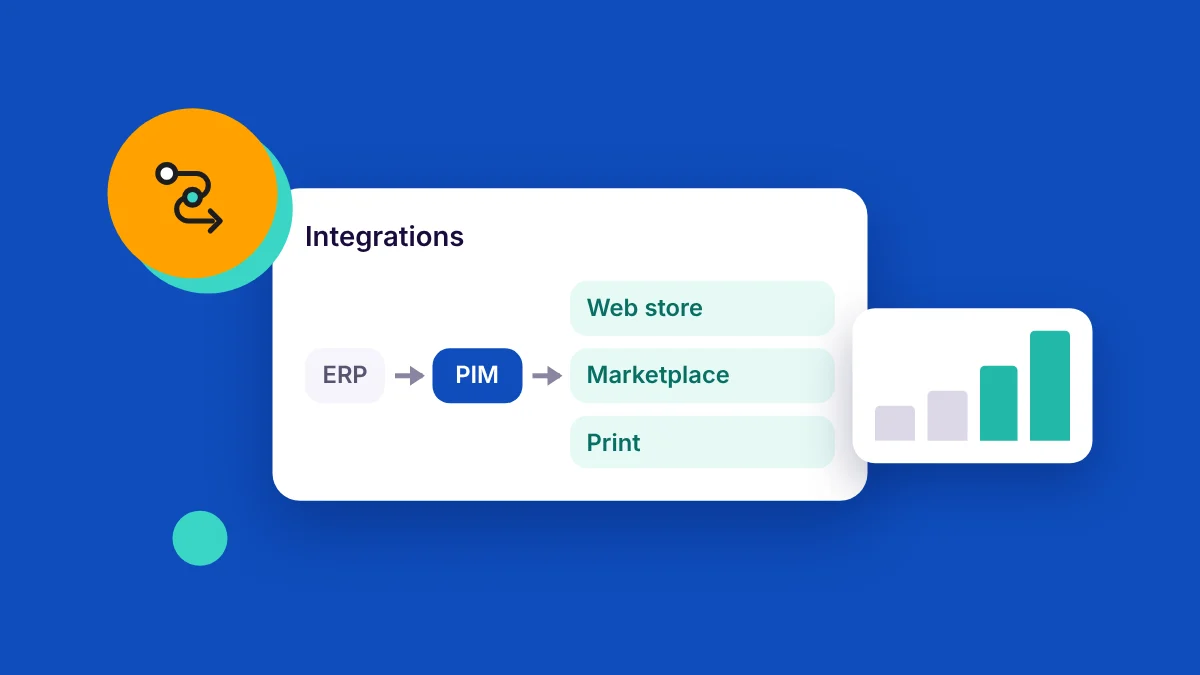
As PIM sits at the centre of more complex digital ecosystems, integration becomes a strategic issue. This article explores when middleware or an integration platform is genuinely needed, how it reduces risk and complexity, and when native PIM integrations are enough.
Taxonomy is your category tree. Schema is your attribute blueprint. Confusing them creates rigid navigation, broken filters, and inconsistent product data. Here’s the plain-English difference, plus examples you can reuse
Supplier onboarding drags when suppliers can’t see what “good” data looks like. Vague templates, inconsistent attributes, and no validation create spreadsheet ping-pong and delays. Here’s how broken structure drives long cycles—and what “good” looks like when you design onboarding for clarity and repeatability
AI won’t fix messy product data. It scales errors. Learn the specific failures that stall AI, the operational and commercial impacts, and the corrective sequence to stabilise, standardise, and enforce clean product data foundations.
Omnichannel success depends on consistent product information. Learn how PIM powers seamless product experiences across ecommerce, marketplaces, mobile, and physical stores—improving data quality, speed-to-market, and customer trust at every touchpoint
Looking for a PIM solution in 2026? Learn the 7 essential features that separate modern, future-proof PIM platforms from legacy tools — including AI-driven enrichment, data governance, omnichannel syndication, and analytics that turn product data into a competitive advantage
PLM governs how products are designed and built. PIM governs how products are sold. If you rely on PLM alone, your product data is likely too technical, rigid, and incomplete for ecommerce and marketplaces. This article explains where PLM stops, where PIM starts, and why most manufacturers need both
Inconsistent units and formats quietly undermine product data at scale. This article explains how standardising units, formats and data standards in PIM improves data quality, enables automation, reduces channel errors, and delivers a more reliable, high-converting customer experience
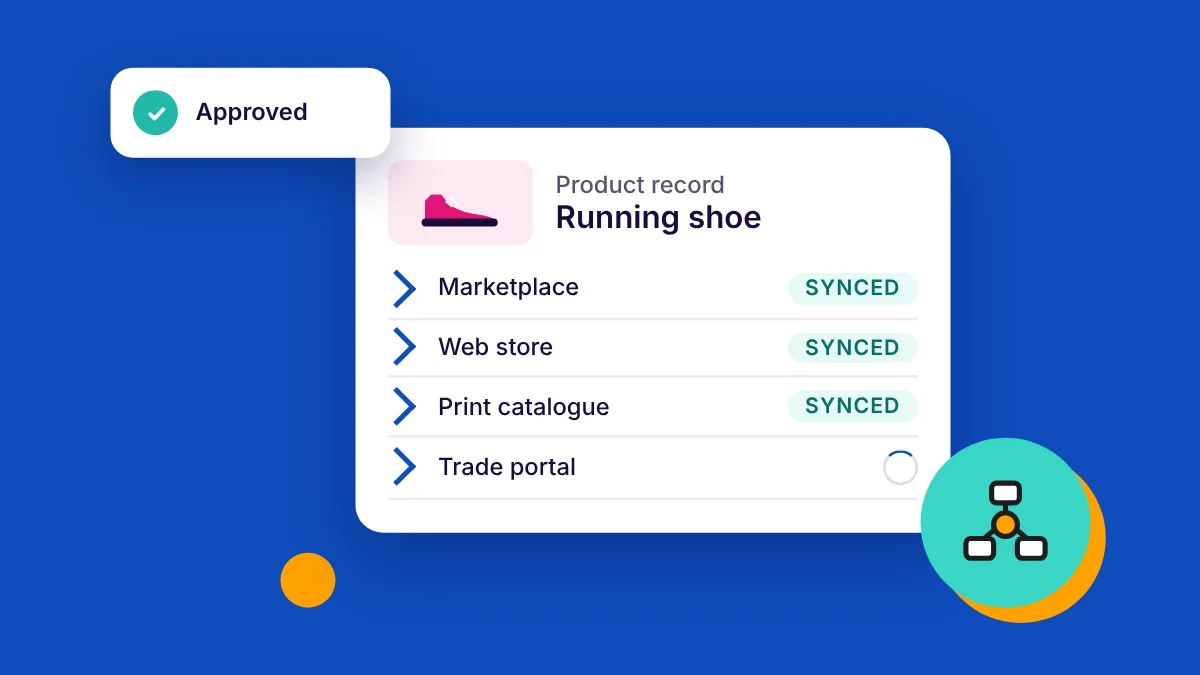
Struggling to keep product data consistent in your online store? This guide explains how PIM and eCommerce integration works, why it matters, and how to sync enriched product data reliably across channels—reducing errors, speeding launches, and improving conversion
PIM success doesn’t end at go-live. This article explains how post-implementation training, governance, and continuous enablement help teams adopt PIM properly, maintain data quality, and unlock long-term ROI
A future-proof product data schema is critical for scalable PIM. This article explains how to design a flexible data model that adapts to new products, channels, and markets without constant rework — and why getting it right early pays off long term
PIM or PXM — what’s the real difference? This article explains how Product Experience Management builds on traditional PIM, why the shift matters, and how organisations can evolve product data from operational control to customer-facing impact across today’s digital channels
Struggling with product findability or inconsistent categories? This guide breaks down the five most common product taxonomy mistakes and shows how to avoid them using practical, scalable PIM best practices
Industry standards can stabilise product data and speed onboarding. Used wrongly, they bloat schemas, damage findability, and slow commercial change. Learn where standards belong, where they don’t, and how to map and enforce them without harming buyers
Classification is the internal product structure that defines attributes, variants, and governance. Navigation is the customer-facing map that supports browsing and SEO. Treating them as the same hierarchy leads to duplicate data, broken filters, and fragile PIM outcomes
Enrichment feels productive, but without taxonomy, schema, and variant rules it becomes debt. Structure defines required attributes, valid values, and governance so enrichment can scale across suppliers and channels—especially with AI. Build the skeleton first, then enrich once with confidence
Inconsistent supplier and internal feeds aren’t just “bad data”. Usually the structure is unclear or unusable. This article explains the patterns—non-conforming fields, missing attributes, unstable hierarchies—and how a structure audit gives you a model that data can actually land in.
Perfect category trees don’t survive growth. This article explains how to design product structure that evolves: clear principles, governance, schema alignment, and controlled updates that support PIM, marketplaces, and automation.
PIM and AI don’t fix product data—they amplify it. If your taxonomy, attributes, variants, and governance aren’t coherent, implementations slow down and AI output becomes unreliable. Here’s what product structure must look like to support PIM operations and AI consumption.
Bad product data structure doesn’t fail loudly. It quietly breaks PIM, automation, and marketplace performance. This article explains how weak taxonomy, attributes, and variant models create manual work, delistings, and lost revenue—and what coherent structure looks like instead
Tools and hardware merchants and distributors manage thousands of SKUs with complex specifications, variants, and compliance requirements. This article explains why PIM is essential for organising large catalogues, improving accuracy, and scaling across B2B, D2C, and marketplace channels.
Discover how traditional distributors can use PIM as the bridge from static print catalogues to dynamic eCommerce. Learn how centralising product data, enriching it for search, and automating syndication unlock faster time-to-market, fewer errors, and a better customer experience.
In regulated sectors, product data is effectively a legal document. Discover how Product Information Management (PIM) provides a single source of truth, enforces governance, and delivers the traceability, localisation, and audit trails you need to stay compliant while accelerating time-to-market.
Data cleaning and data enrichment get lumped together, but they do different jobs. Cleaning makes your product records accurate, consistent, and unique. Enrichment adds the detail, content and context that improve search, conversion, and customer confidence. Here’s how to sequence both for measurable results.
Manufacturer data starts in engineering and ends in the catalogue—but the middle is often spreadsheet chaos. A PIM bridges ERP and PLM with marketing, compliance, and distributors. Discover how strong governance, automated syndication, and AI tools like SKULaunch and Descriptionwise cut manual effort and speed time-to-market.
Furniture and home goods teams juggle huge catalogues, complex variants, and mountains of imagery. A PIM provides a single source of truth, controls colour and material matrices, links the right assets to the right SKUs, and speeds multichannel launches. Here’s what that looks like in practice
Electrical and HVAC suppliers manage high-stakes technical data, certifications, and CAD/BIM assets. A PIM creates a trusted source of truth, standardises attributes, and automates supplier onboarding. Learn how PIM reduces errors, improves trade search and filtering, and speeds time-to-market for complex catalogues.
In PPE, inaccurate product data is more than a nuisance — it’s a safety and liability risk. A PIM system centralises standards, certifications, sizing and documentation, supports traceability for high-risk categories, and delivers consistent information across portals, tenders, and e-commerce. Here’s how it keeps your catalogue compliant and sellable
Legacy product data often lives in messy spreadsheets and ageing ERPs, slowing launches, and weakening search. This article outlines a pragmatic, phased approach to modernising your catalogue: define the future model, audit, and prioritise, cleanse and de-duplicate, enrich for modern channels, then lock in governance so the problem doesn’t creep back.
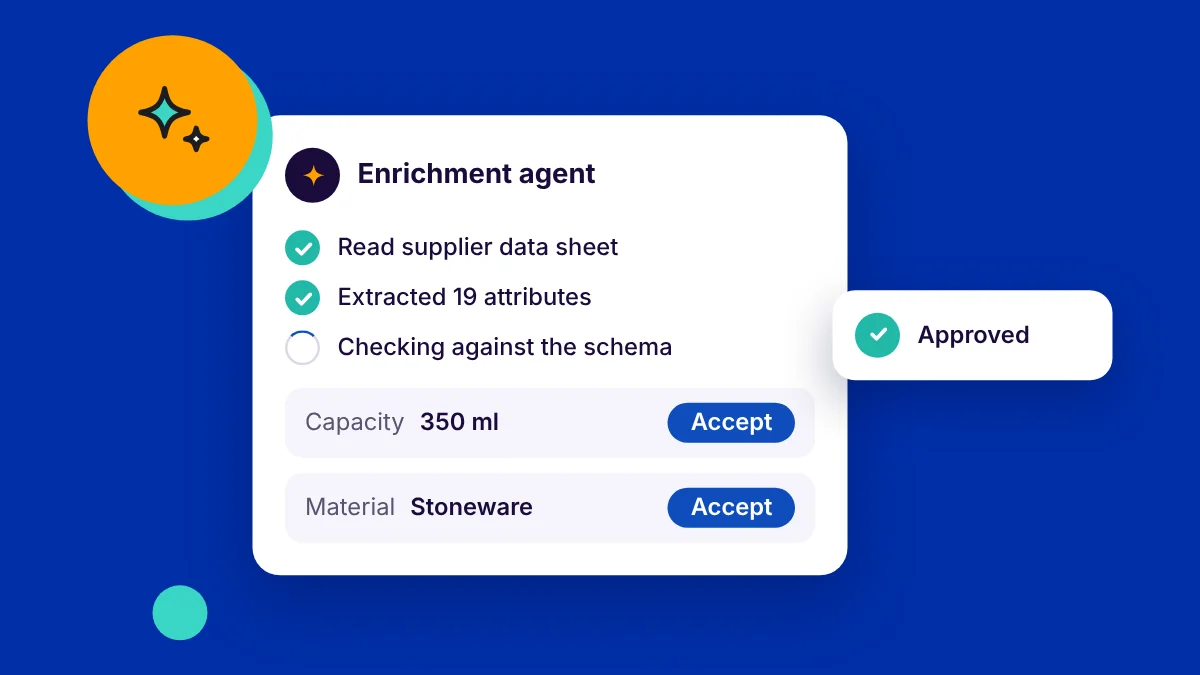
AI is now a practical must-have in PIM. This guide shows the features that genuinely save time and lift product quality: intelligent supplier data cleansing, GenAI content with brand controls, proactive validation, asset intelligence, semantic search, and personalisation supported by digital shelf insights. Use our checklist to avoid AI-washing.
If key specs live only in paragraphs, customers can’t find them – and neither can search, filters, feeds, or AI shopping tools. This article shows how to move facts into structured attributes, use PIM to govern them, and keep copy for persuasion. Expect better discovery, stronger SEO, fewer returns, and easier syndication
A PIM project fails or succeeds on people, not software. Learn the five core roles you need on your PIM implementation team, what each one actually does, and how they work together to deliver cleaner data, smoother integrations and real business value
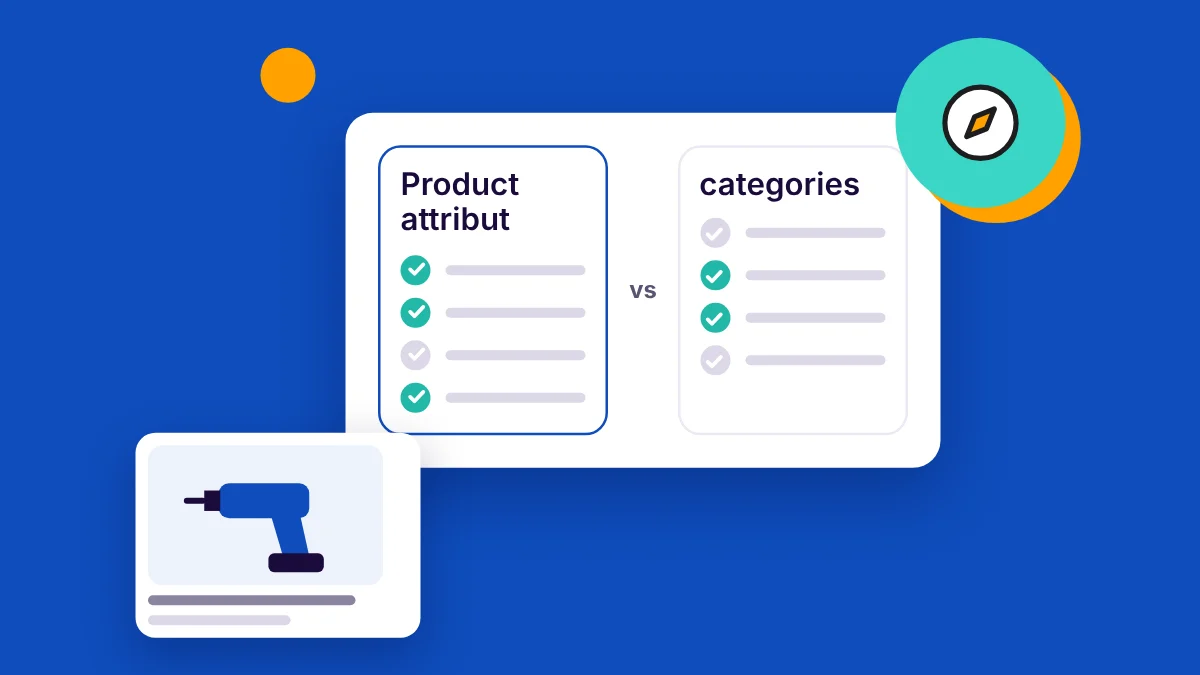
If you mix up product attributes and categories, your navigation breaks and filters return “0 results”. This article shows how to design a clean taxonomy in PIM, avoid common modelling traps, and make it easier for customers to find what they want across all channels.
Supplier data onboarding is often the slowest step in getting products live. AI changes that. This article explains how modern PIM features and Start with Data’s SKU Launch reduce manual mapping, standardise messy inputs, flag errors early, and speed up approvals. Expect quicker launches, better consistency, and fewer late-night spreadsheet battles.
Complex products quickly overwhelm spreadsheets. Learn how PIM data models, inheritance and rules-based configuration tame variants, cut manual work and give customers clearer choices across every channel.
Moving product data from spreadsheets, ERP and homemade tools into a new PIM can feel like open-heart surgery. This article sets out clear, non-technical steps to audit, cleanse and migrate your product information so your PIM goes live clean, trusted, and ready for growth
A PIM implementation is not a switch you flip. Discover typical timelines, the phases you will go through, and the factors that speed things up – or slow them down – so you can set realistic expectations and still get to value quickly.
Data pools standardise supplier product data; PIM enriches and syndicates it. Together, they form the future of B2B data exchange. Discover how GS1/GDSN data pools, real-time APIs, and a modern PIM turn messy spreadsheets into a governed, automated network your trading partners can trust.
Choosing between custom and out-of-the-box PIM integrations is a strategic call, not just a technical one. This article explains how to weigh cost, speed, risk and complexity so your product information management investment actually pays off across ERP, ecommerce and channels
PIM holds your rich product content. ERP holds your stock, prices, and suppliers. If they are not connected, you pay for it in errors, rework and missed sales. Learn how to design a clean product data flow between PIM and ERP that actually matches how you trade
Manual product classification breaks at scale. This guide explains how AI-assisted classification works before data hits PIM, using rules, signals, and human oversight to keep taxonomy consistent, improve discoverability, and avoid spreadsheet chaos across every channel
Your catalogue does the selling. This guide shows how better product data structure and enrichment improves search visibility, reduces friction, and helps every channel perform better.
AI shopping tools don’t “browse” your site, they dissect it. Learn how AI actually reads your product pages, which signals it trusts, and how product information management (PIM) and high-quality product data help your catalogue stay visible in an AI-first search world
Are your category filters returning “0 results” and confusing shoppers? The problem isn’t your front-end; it’s your product data, taxonomy and PIM. Learn why filters fail, how poor attributes kill search and discovery, and what a modern PIM and better data governance can do to turn it around.
Tell us what you are working on and we will point you to the right answer.